

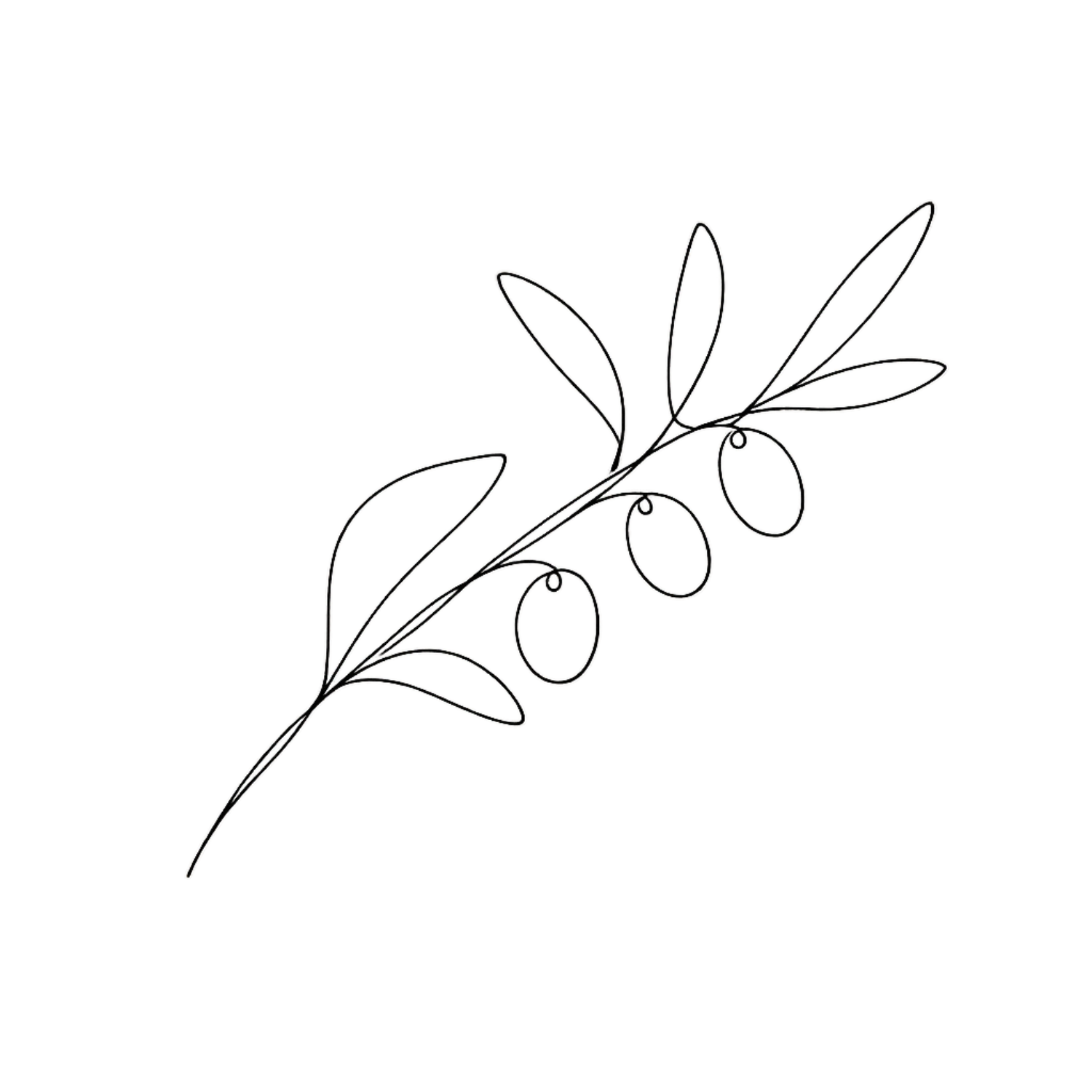
The Olive Branch Symbol
The olive tree is one of the richest symbols in scripture. It consistently represents life, peace, covenant, endurance, blessing, fruitfulness, anointing, and God's faithful people. Because olive trees grow slowly, live for centuries, and continue producing fruit under difficult conditions, they became a powerful picture of spiritual resilience.
In Genesis 8:11, the olive branch became a symbol of peace restored, hope after devastation, and the beginning of a new life.
In 1 Samuel 16 (David), Exodus 29 (Aaron), and 1 Kings 1 (Solomon), olive oil was used to anoint and represented God's presence, healing, empowerment, and being chosen for God's purposes.
Psalm 52:8 says: "But I am like a green olive tree in the house of God. I trust in the steadfast love of God forever and ever." The flourishing olive tree represents someone who is rooted, stable, continually producing fruit, and sustained by God. King David writes this while surrounded by evil — not after life became easy.
Olive trees live 500–2,000 years, survive drought, regenerate after severe pruning, and continue bearing fruit after tremendous hardship. They're survivors. Although scripture doesn't explicitly say, "olives represent suffering," one biblical truth emerges throughout scripture. Olives must be crushed to produce oil. This doesn't mean God desires abuse or suffering. Scripture consistently condemns oppression and injustice. Rather, it points to God's ability to bring redemption from what was meant for harm.
Our retreats are about women becoming rooted instead of fearful, fruitful instead of merely surviving, anointed instead of ashamed, at peace instead of living in chaos, hopeful after devastation, and deeply established in Christ. An olive tree says: You may have been through the storm, but God is growing something that will endure for generations.
The image of an olive tree communicates that healing is not instant. It is slow, deeply rooted, resilient, and enduring — qualities that mirror the long, faithful work of recovery.